by Meg | Mar 19, 2015 | animal, Conservation, Education, Endangered Species, Internship, Panda, photography, Projects, Science, Travel, wildlife
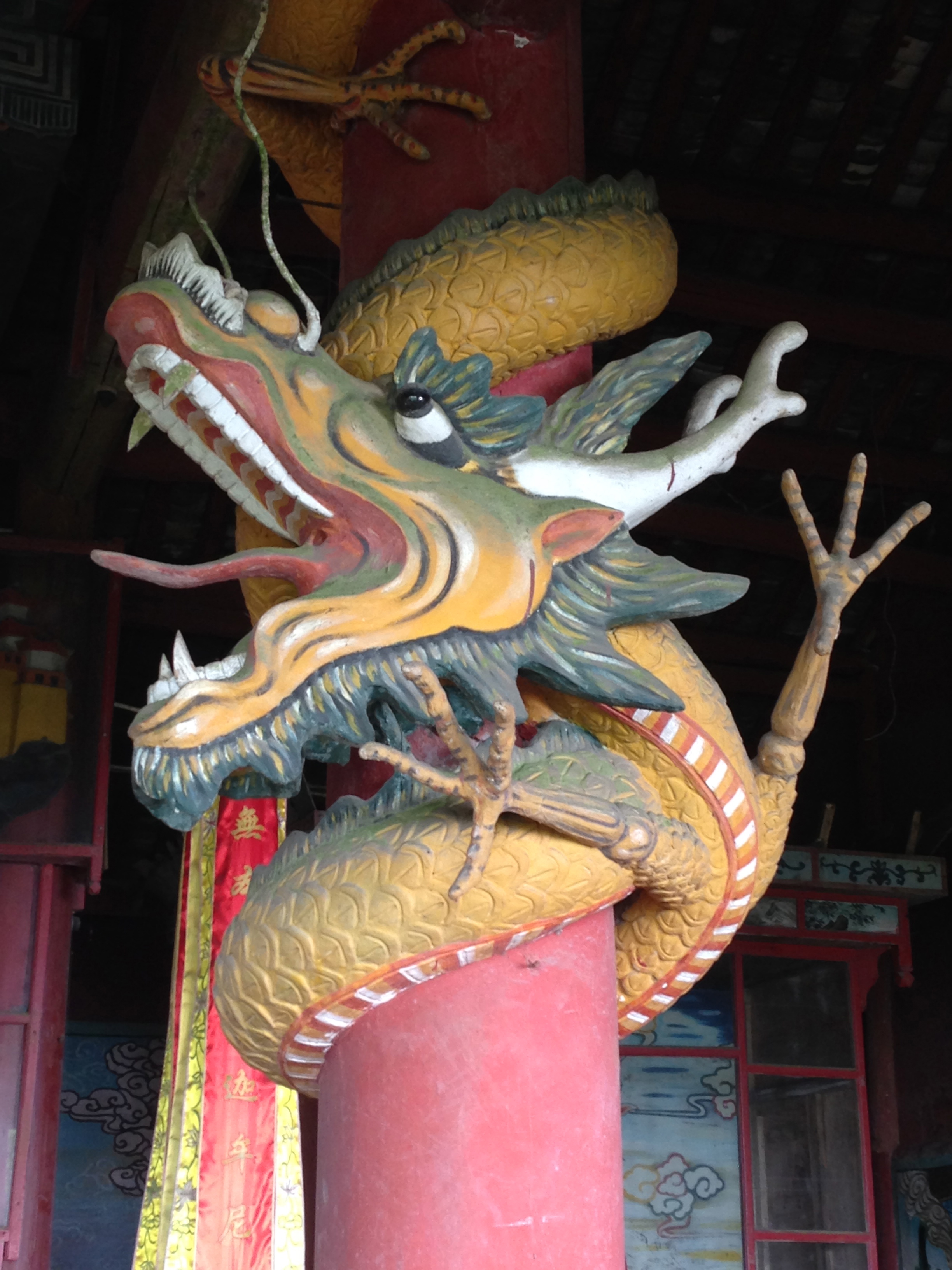
Meghan and I just returned from Ya’an, Sichuan, China- A little jet lagged, but very excited to have Ryan and Maria, our two new winter interns, continuing the panda behavioral research. Both interns received a warm welcome from the people of Ya’an, and we...
by Meg | Dec 16, 2014 | animal, Conservation, Current Endangered Species News, Endangered Species, Internship, Panda, Science, Travel, wildlife
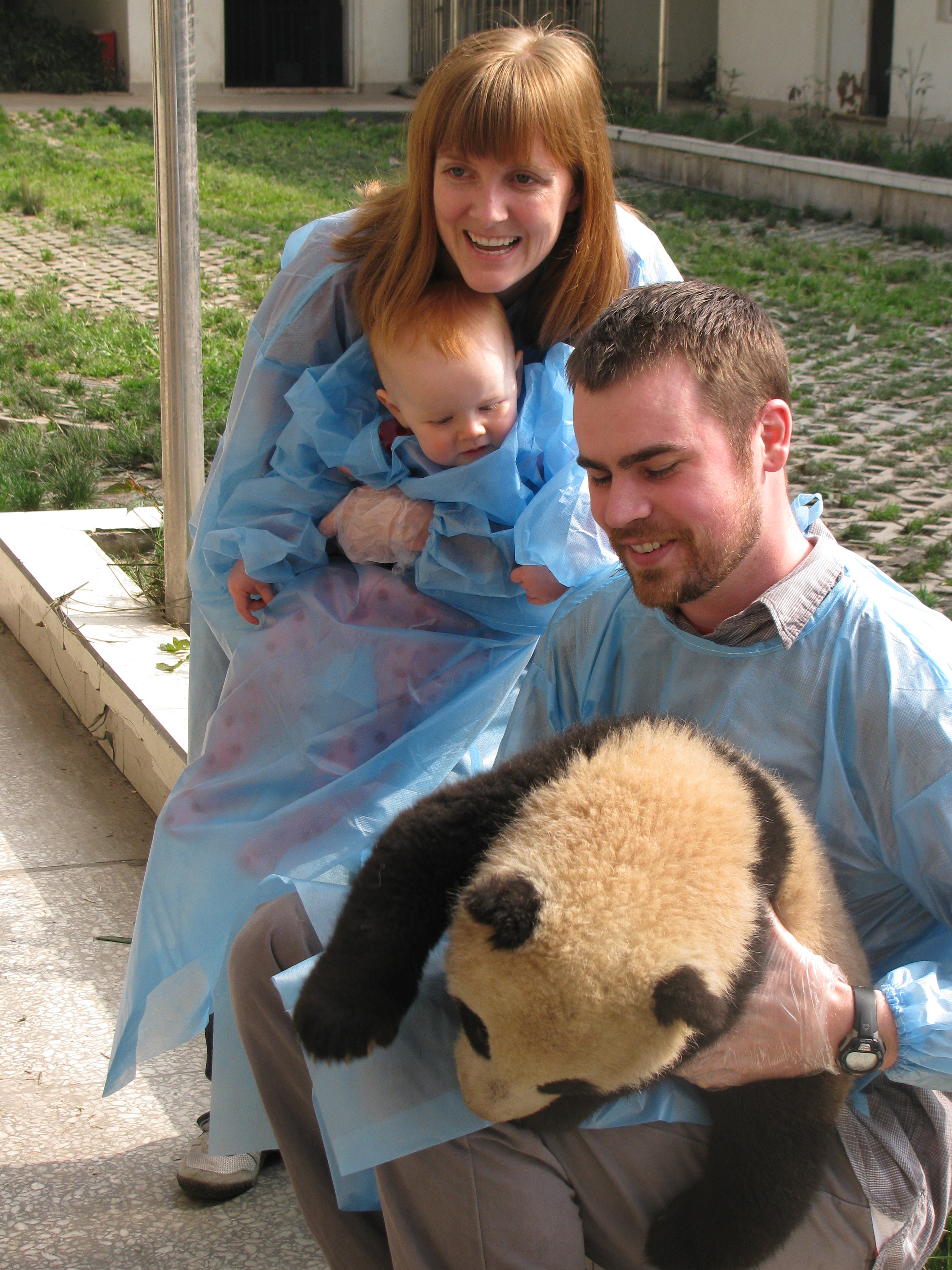
Every December, PDX Wildlife shifts into high gear in order to prepare for the upcoming Giant Panda internships, which take place in Ya’an, Sichuan, China. We recently selected two Panda interns for the upcoming winter breeding season and will be opening up to...
by Meg | Oct 21, 2014 | animal, Conservation, Internship, Panda, photography, Science, Travel, wildlife
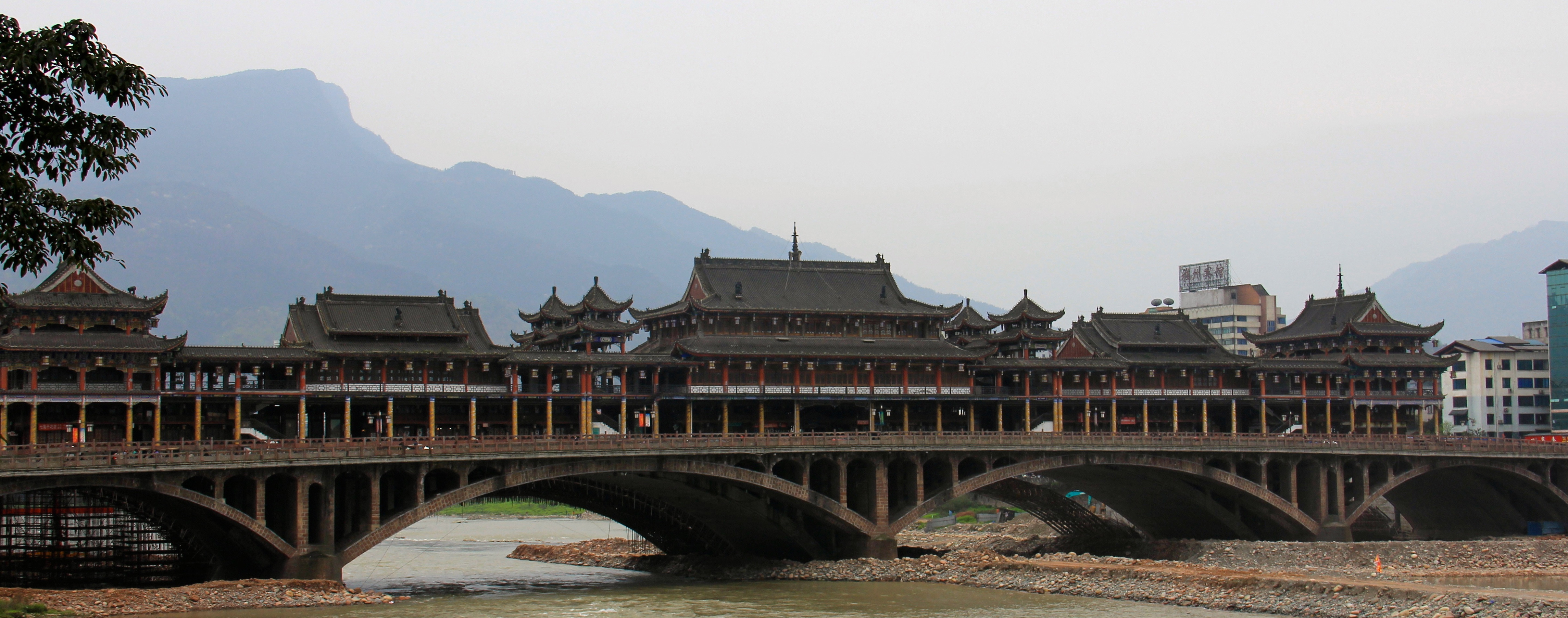
Given that we are accepting applications for the Winter/Spring 2015 Panda internship, we thought it would be appropriate to share some of our past experiences from our time in Ya’an, China. Even though the majority of an interns time will be spent at the panda...
by Meg | Oct 5, 2014 | Around PDX, Conservation, Education, Projects, Sponsors, wildlife
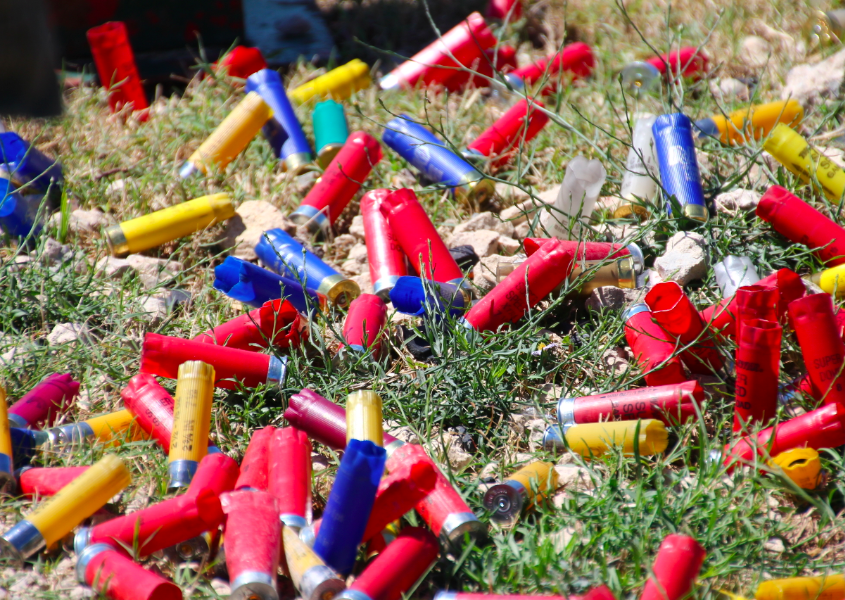
We’ve compiled the results from the Vancouver, WA, Collector’s West Gun & Knife Show, where we had a booth offering non-lead ammo in exchange for lead ammo. The vast majority of show participants were eager to hear more about the health risks to...
by Meg | Sep 29, 2014 | animal, Around PDX, Conservation, Education, Environmental Impact, Science, Sponsors, wildlife
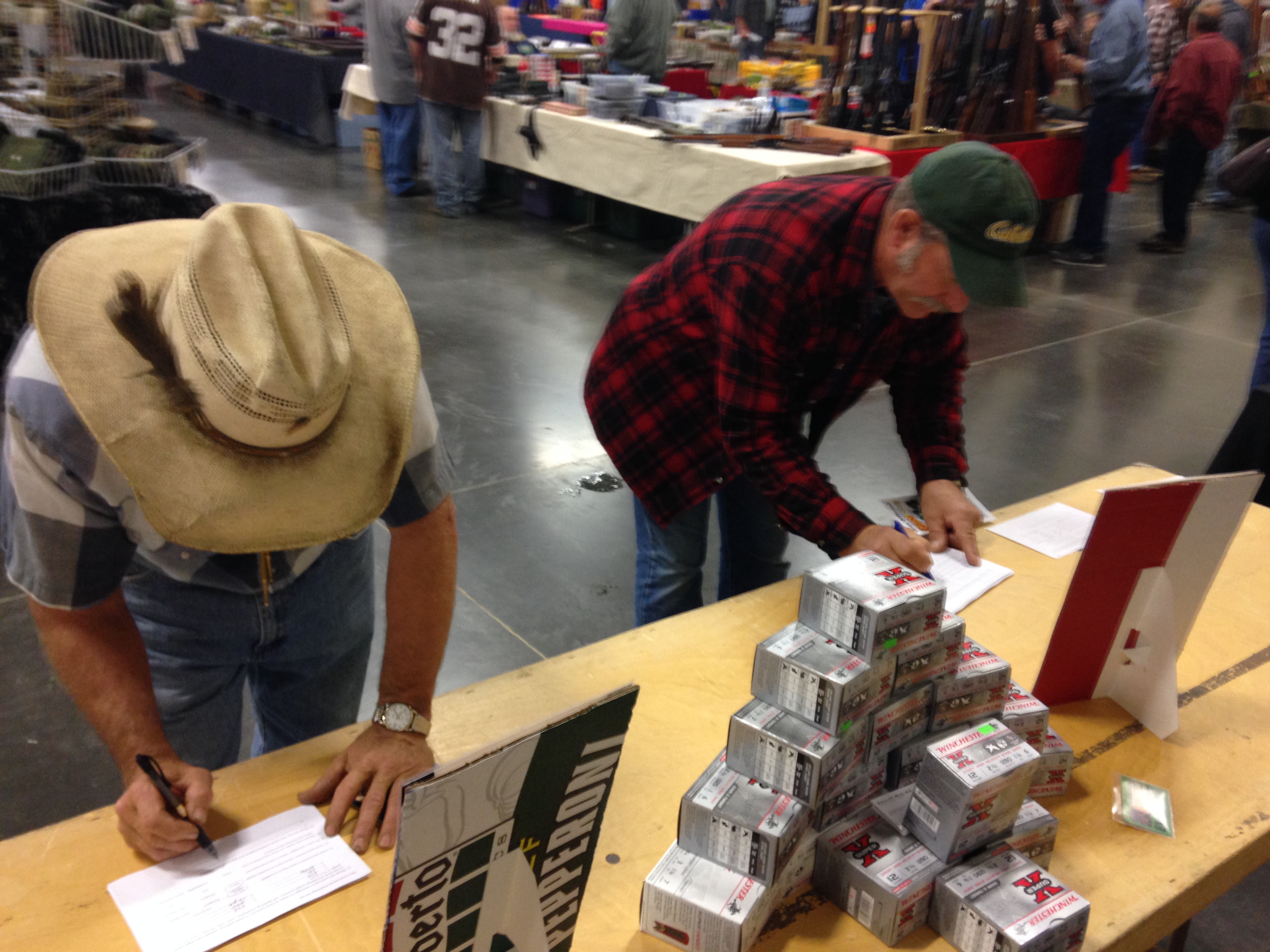
Our first non-lead ammunition exchange was a success. We owe a special thanks to the Collector’s West Gun & Knife show for donating the space at their Vancouver event. Additionally, Sportsman’s Warehouse was able to significantly reduce the cost of...